-
Industrial Vibration Sensors: The Ultimate Selection Guide for Predictive Maintenance
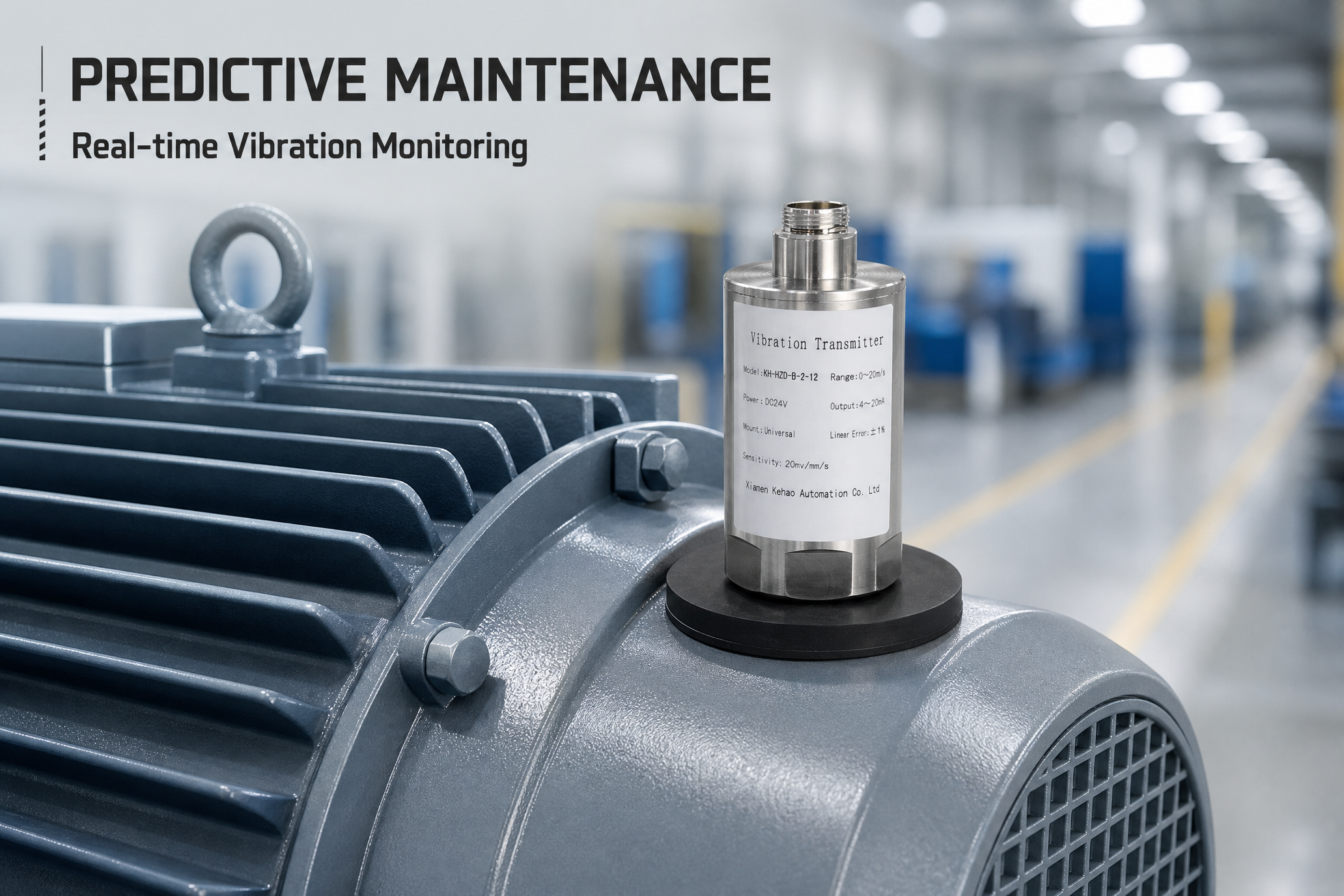
在工业4.0时代,计划外停机是制造业盈利能力的隐形杀手。行业研究表明, 预测性维护(PdM)可将维护成本降低高达30%,并减少70%的故障。而工业振动传感器 正是这一策略的核心 。 对于工程师而言,选择合适的传感器能够确保复杂FFT分析的数据完整性。对于采购经理而言,关键在于平衡长期可靠性和总体拥有成本。本指南将提供做出正确选择所需的技术和商业信息。 1. 了解核心技术 并非所有振动传感器都一样。根据您的应用——无论是高速主轴还是低速冷却风扇——传感元件都会产生截然不同的结果。 压电式(IEPE)传感器:工业标准 压电式加速度计是工业状态监测的主力军。这些传感器利用压电效应,产生与加速度成正比的电荷。 工程师选择它们的理由:它们具有宽广的动态范围和坚固耐用的特性,能够在高达 150°C 的恶劣环境下运行。 IEPE 标准:大多数现代压电传感器采用 IEPE(集成电子压电)标准,从而实现远距离信号传输而不会受到噪声干扰。 MEMS传感器:物联网监测的未来 微机电系统(MEMS)将传感和电子元件集成在单个芯片上,彻底改变了市场。 主要优势: 由于其低功耗和小尺寸,它们是无线物 联网振动传感器的理想选择。 直流响应:与压电传感器不同,MEMS 可以测量低至 0 Hz 的频率,这使得它们对于结构监测和低速倾斜应用至关重要。 2. 工程师的关键选拔标准 在查看数据表时,请重点关注以下四个技术要点,以确保传感器与您机器的振动特性相匹配: 频率响应(带宽):确保传感器的测量范围覆盖机器的运行速度和潜在的谐波频率。对于高速齿轮箱,至少需要 10 kHz 的带宽。 灵敏度:通常以 mV/g 为单位测量。较高的灵敏度(例如 500 mV/g)更适合低水平振动,而 100 mV/g 是一般工业用途的标准灵敏度。 信号输出: 4-20mA 输出:最适合直接集成到 PLC 中,无需复杂的数据采集系统。 动态原始数据:对深度诊断分析和 FFT 处理至关重要。 环境保护:对于腐蚀性或需要冲洗的环境,请选择 IP67 或 IP68 防护等级和不锈钢 (316L) …Read more -
Custom Thermocouple Manufacturing & OEM Solutions
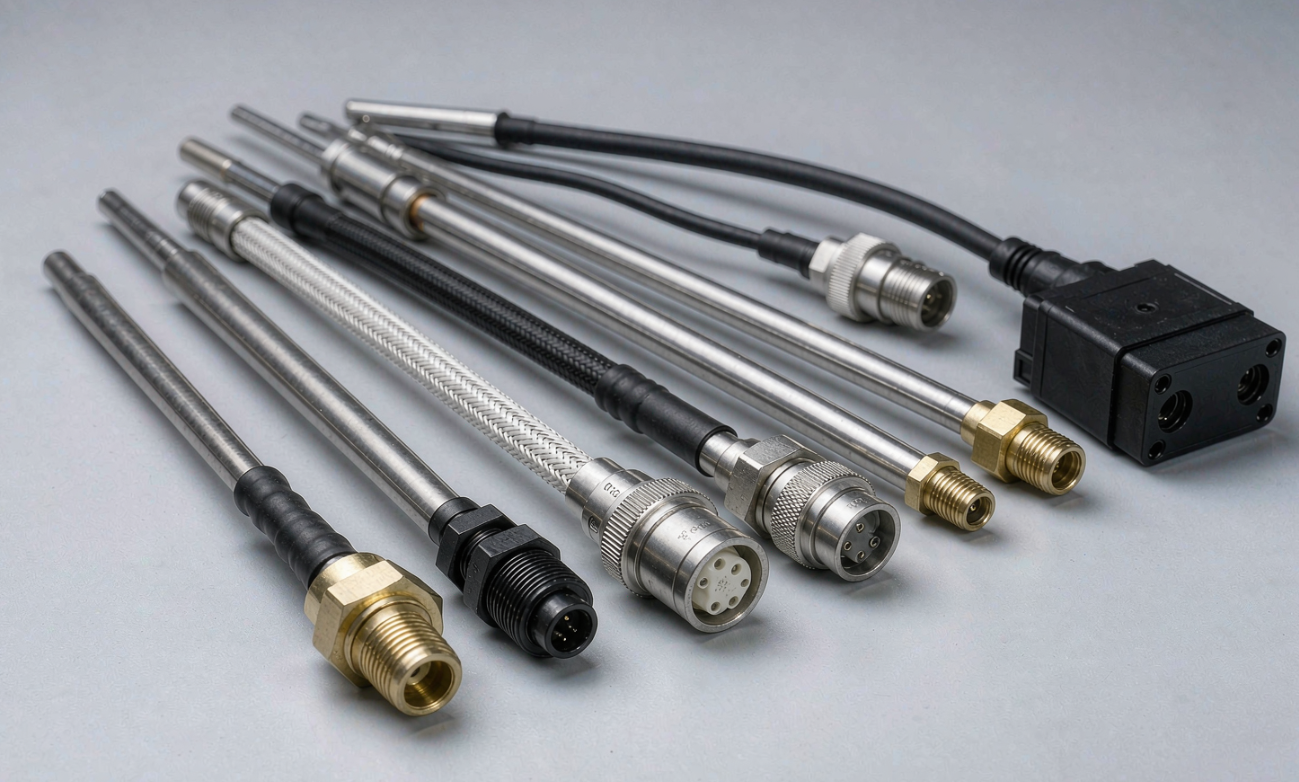
When an off-the-shelf sensor fails to survive your operating environment—whether due to extreme thermal thresholds, restricted mounting geometry, aggressive process media, or obsolete OEM part numbers—a custom-engineered thermocouple is the most reliable solution. At Kehao, we design and manufacture precision, heavy-duty custom thermocouples tailored for over 100 industrial applications globally, …Read more -
5 Common Causes of Pressure Transmitter Failures and Safety Mitigation Tips
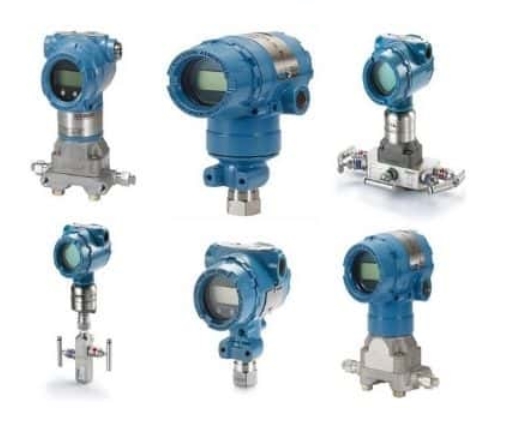
Accurate internal process pressure monitoring is a vital requirement across industrial fluid and gas systems. Pressure parameters are typically monitored using dial pressure gauges or electronic pressure transmitters. Serving as integral safety components in industrial facilities, these devices trigger warnings whenever pressure levels deviate above or below established setpoints ($P_{\text{high}}$ …Read more -
J-Type vs. K-Type Thermocouples: Can They Be Interchanged and How to Tell Them Apart?
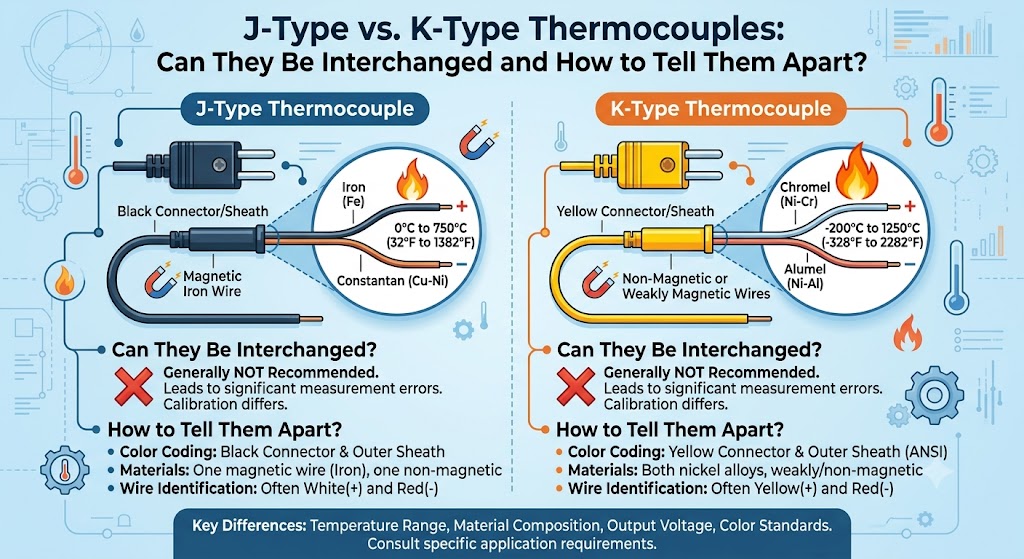
Injection molding operators and hot runner technician frequently face tricky diagnostic issues: temperature readings off by dozens of degrees, short-circuit alarms immediately after installation, or uncertainty about whether a J-type and K-type thermocouple are interchangeable. Misdiagnosing these issues leads to repeated teardowns and costly downtime during mold trials. This guide …Read more -
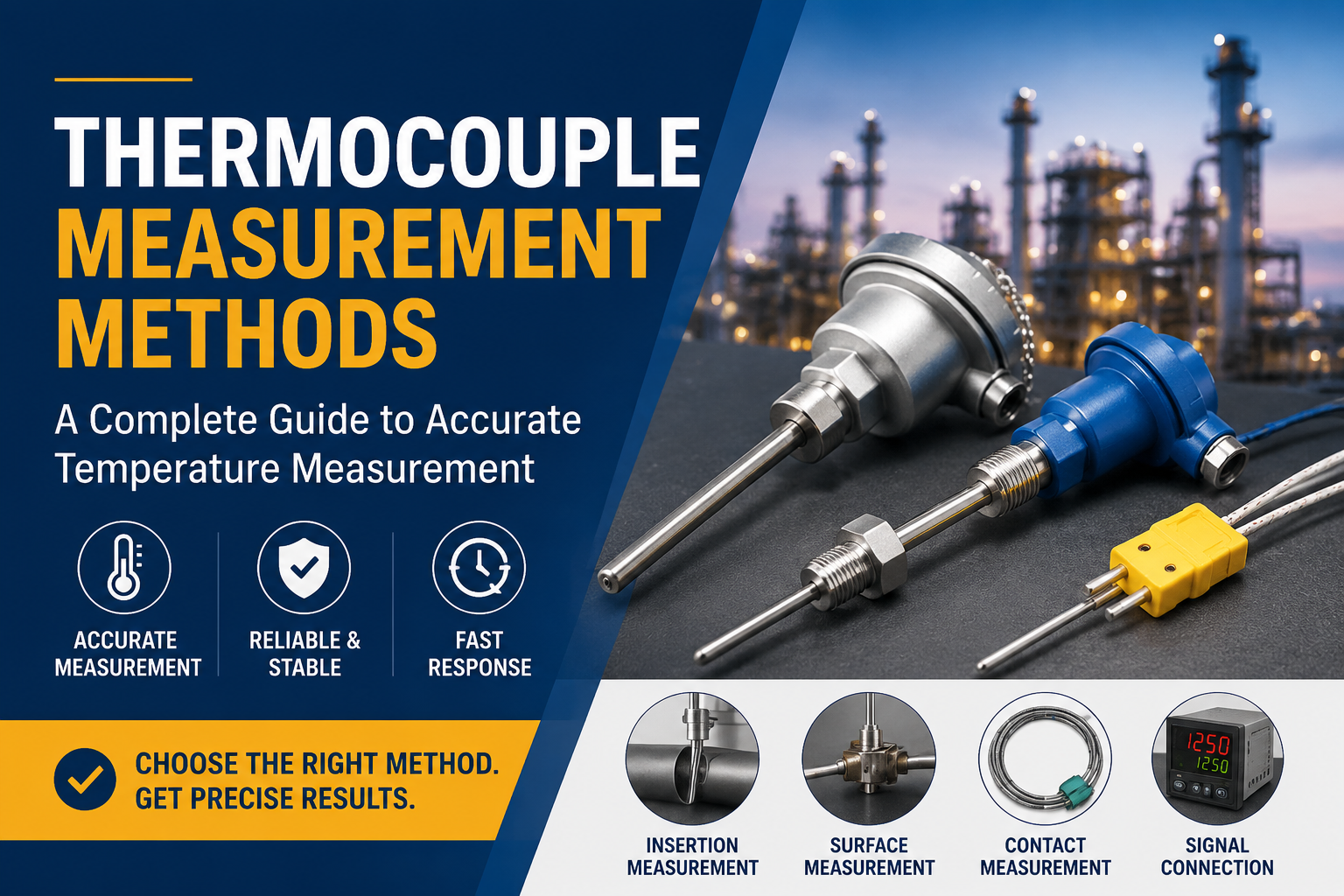
What Are the Thermocouple Measurement Methods? How to Use Thermocouples for Accurate Temperature Measurement?
Thermocouples are one of the most commonly used temperature sensors in industrial applications. They are widely used in industrial equipment, heating systems, machinery manufacturing, chemical processing, power plants, and many other fields. Many users find that the measured temperature differs from the actual temperature during operation. In fact, measurement accuracy …Read more -
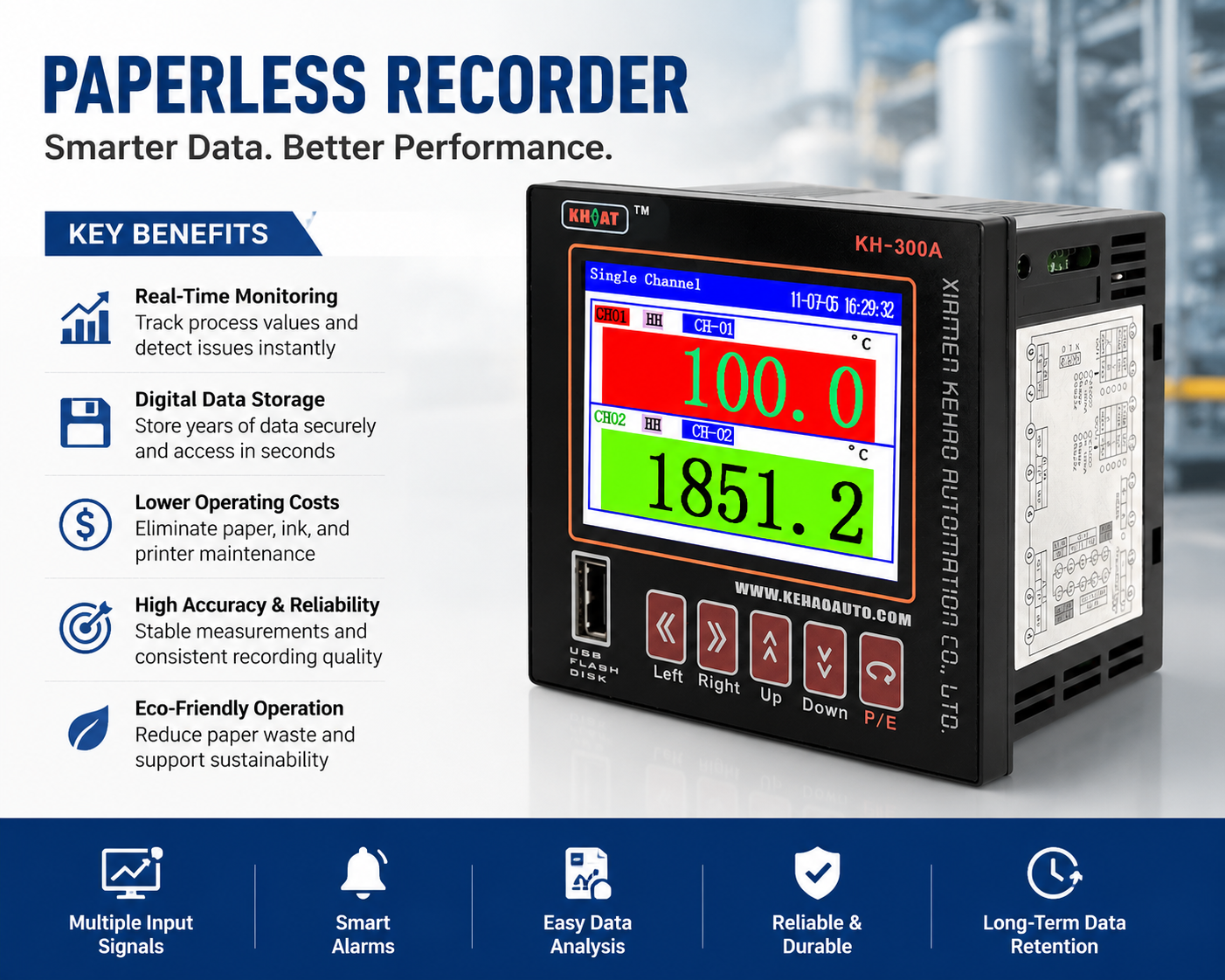
Paperless Recorder Benefits Explained: Improve Efficiency and Reduce Costs
What Are the Benefits of a Paperless Recorder? A paperless recorder is a digital device used to collect, display, and store process data such as temperature, pressure, humidity, flow, and vibration. Instead of printing data on paper charts, it saves everything electronically, making monitoring and analysis much easier. If you’re …Read more -
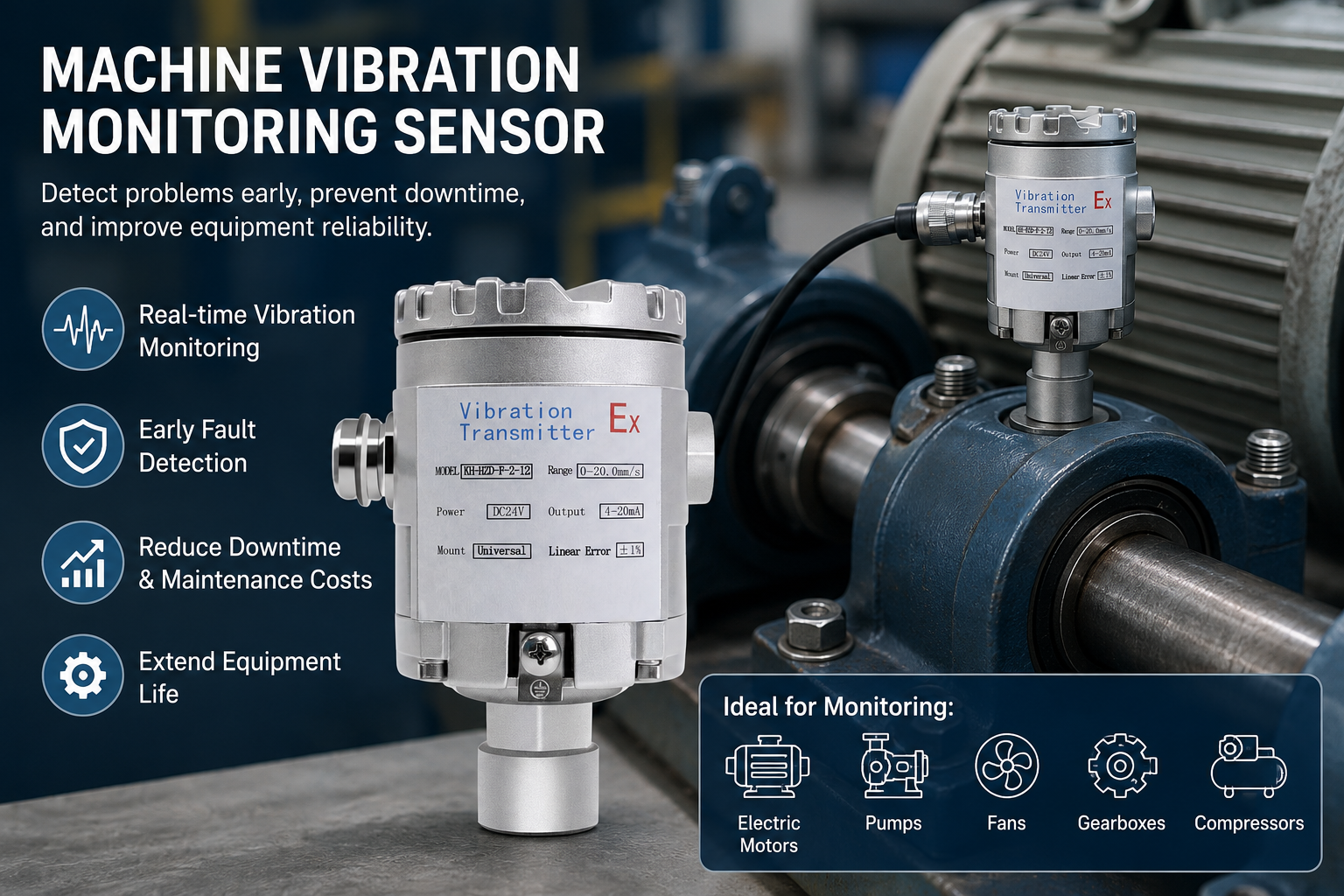
What Are Machine Vibration Monitoring Sensors?
Machine vibration monitoring sensors are devices that measure the movement or vibration of rotating and moving equipment. They help identify changes in machine behavior before a small issue turns into an expensive breakdown. These sensors are widely used in industries such as manufacturing, power generation, mining, oil and gas, food …Read more -
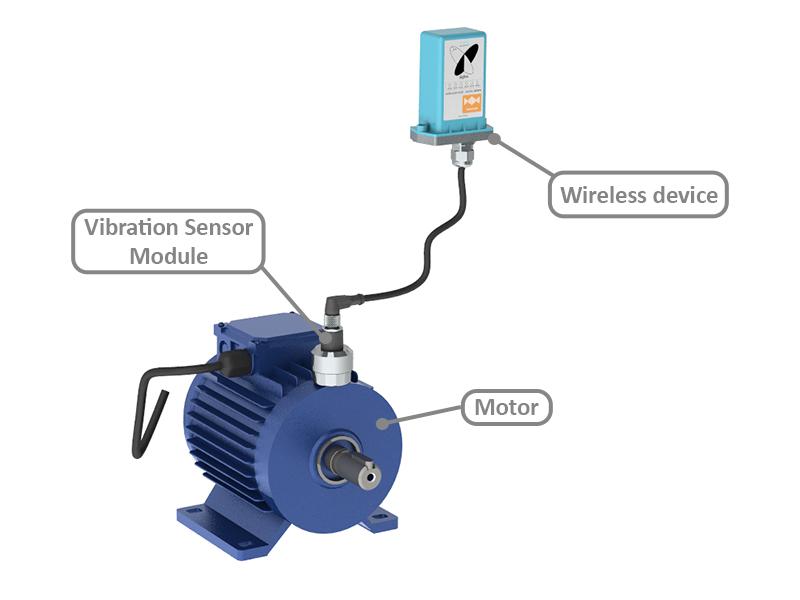
Bearing Vibration Sensor: The Ultimate Guide to Reliable Machine Condition Monitoring
Introduction In today’s industrial landscape, equipment reliability is no longer a luxury—it’s a necessity. Bearings are among the most critical components in rotating machinery, and even a minor defect can escalate into costly downtime or catastrophic equipment failure. This is where a bearing vibration sensor becomes an indispensable tool. By …Read more -
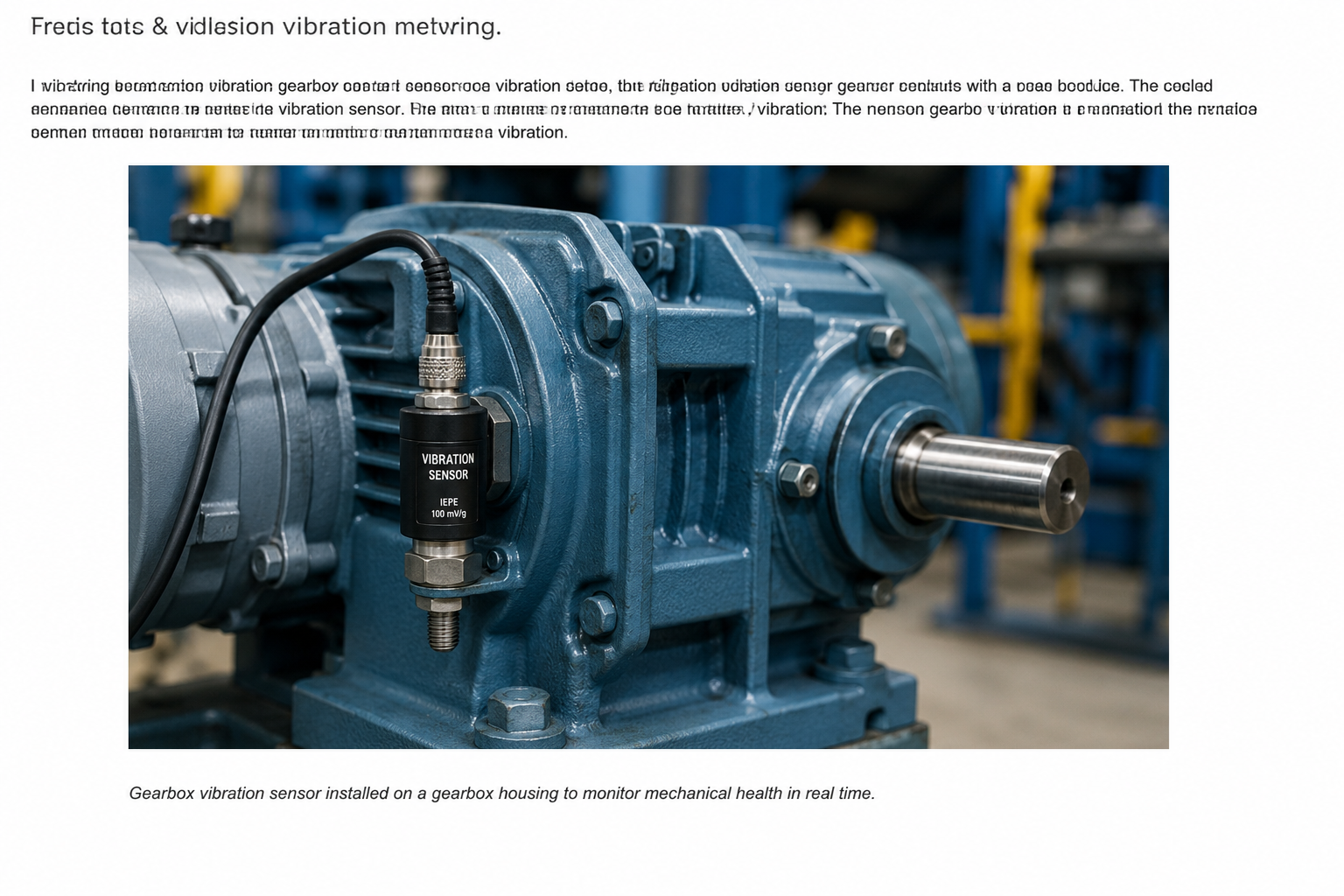
How Does a Gearbox Vibration Sensor Work?
A gearbox vibration sensor is one of the most effective tools for detecting mechanical problems before they turn into expensive failures. Instead of waiting for a gearbox to become noisy or stop working, a vibration sensor continuously monitors its condition and alerts maintenance teams when something changes. What Is a …Read more -
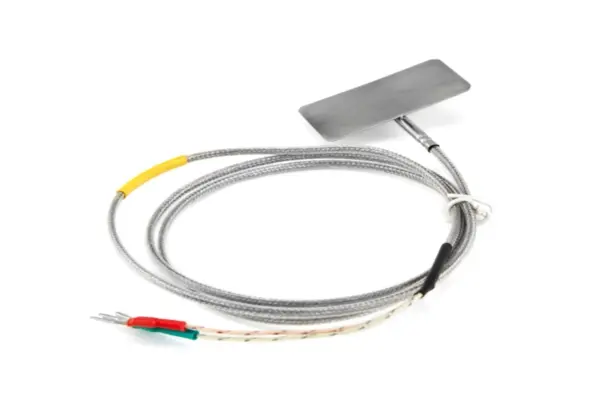
Understanding Contact Temperature Sensors: Working Principles and Industrial Applications
In modern industrial automation, scientific research, smart home appliances, and healthcare, temperature sensors are indispensable tools. Among them, contact temperature sensors are widely recognized for their exceptional accuracy and long-term stability. By establishing direct physical contact with the target object, these devices deliver precise thermal data. This comprehensive guide explores …Read more