
Explore the working principles of current transmitters, from signal conversion to isolation. Learn how to install and maintain your AC/DC transmitters for optimal performance in PLC and data logging systems.
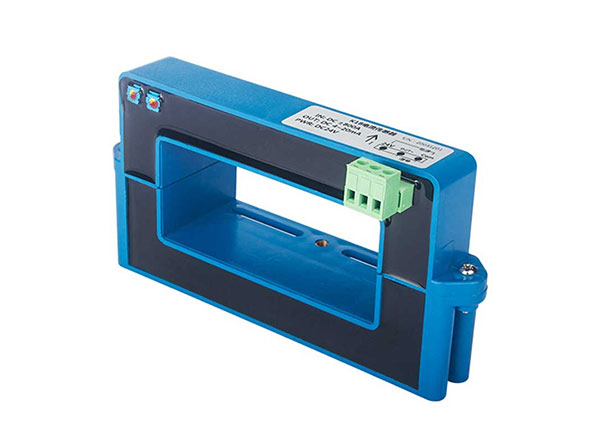
The Ultimate Guide to Current Transmitters: Principles and Applications
In modern industrial automation, ensuring the accuracy and safety of electrical monitoring is paramount. A Current Transmitter is a vital device used to convert raw current signals into standardized outputs, enabling seamless integration with PLCs, controllers, and Paperless Recorders
In this article, we will delve into how these devices work and how to use them effectively in your facility.
1. How Does a Current Transmitter Work?
The primary role of a current transmitter is to act as a bridge between the high-power electrical environment and the sensitive control system.
1.1 Precision Signal Conversion
The core function of a current transmitter is converting input current (typically 4-20mA or 0-20mA) into a standard output signal (such as 4-20mA or 0-10V). This standardization is essential for reliable communication between field sensors and monitoring equipment.
1.2 Signal Isolation and Protection
Industrial environments are often filled with electromagnetic interference. A high-quality transmitter provides signal isolation between input and output. This protects your control system from external surges and noise, significantly improving system stability and safety.
1.3 Accuracy Calibration
Built with precision circuitry, these devices amplify and calibrate input signals. This ensures that the output signal remains a perfect linear representation of the actual current value, which is critical for sensitive tasks like motor load monitoring.
1.4 Advanced Temperature Compensation
High-end Current Transmitters feature temperature compensation. They automatically adjust the output based on ambient temperature fluctuations, maintaining high accuracy even in extreme warehouse or factory conditions.
2. How to Correctly Use and Install Current Transmitters
To maximize the lifespan and accuracy of your equipment, follow these professional guidelines:
2.1 Secure Installation
Ensure the transmitter is mounted securely on a DIN rail or panel. Avoid areas with excessive vibration or external mechanical stress, as these can damage internal components over time.
2.2 Accurate Input/Output Wiring
Always double-check your wiring diagrams. Ensure that the input and output terminals are connected correctly. Incorrect polarity or short circuits are the leading causes of equipment failure during commissioning.
2.3 Routine Calibration and Validation
Before putting the system into full operation, perform a calibration check. Verify that the output signal matches the actual primary current. Regular validation ensures long-term measurement reliability.
2.4 Environmental Adaptability
Select a transmitter with an appropriate IP rating for your environment. If your facility is prone to moisture, high heat, or corrosive gases, ensure the device is rated for such conditions to prevent premature aging.
2.5 Proactive Maintenance
Dust accumulation can lead to overheating or poor contact. Regularly clean and inspect your transmitters. A quick check of the terminal tightness can prevent unexpected downtime and system errors.
Conclusion
Whether you are monitoring Vibration Sensors or power consumption, the current transmitter is the backbone of your data acquisition. By understanding its principles and following best practices, you can ensure a safer, more efficient industrial operation.
Post time: 2026-02-04