-
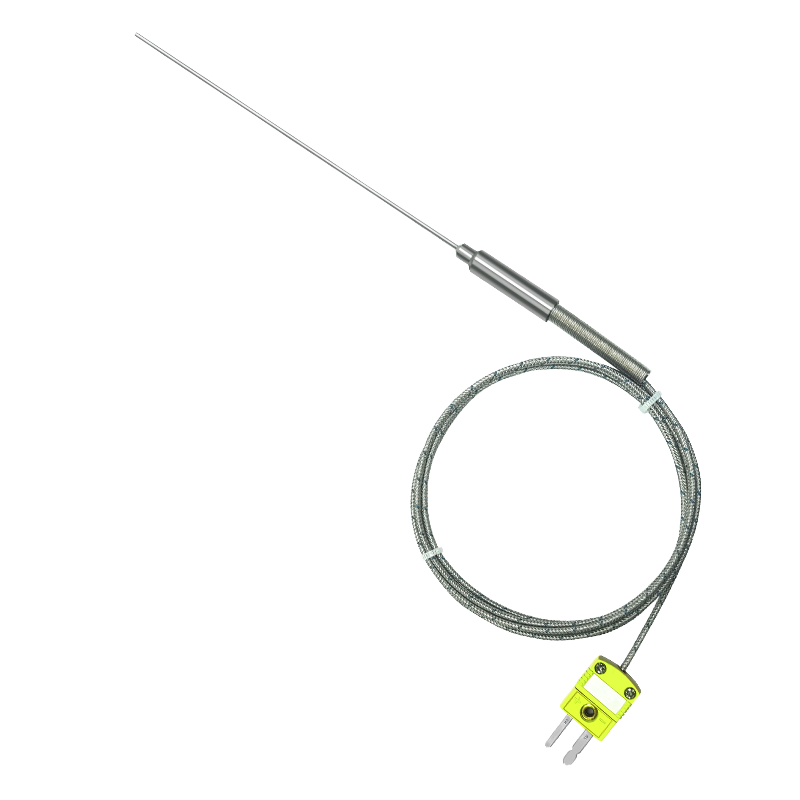
Advantages of Sheathed Thermocouples: Why They Outperform Standard Sensors?
Understanding Sheathed Thermocouples: Key Benefits and Industrial Applications In the diverse field of temperature measurement, selecting the right sensor is critical for accuracy and durability. While there are many types—such as Platinum-Rhodium, Wear-Resistant, Corrosion-Resistant, and Type K Thermocouples—Sheathed Thermocouples (also known as Armored Thermocouples) stand out as a highly versatile …Read more -
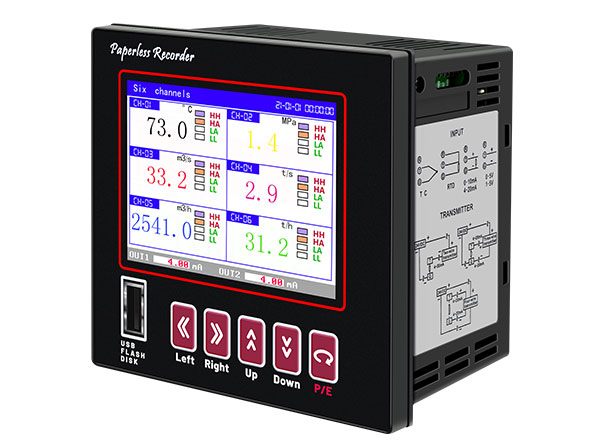
An Overview of Paperless Recorders: Functions, Principles, and Applications
A Paperless Recorder is a sophisticated instrument designed to monitor and record various input signals from industrial sites—such as flow signals from flowmeters, pressure signals from pressure transmitters, and temperature signals from RTDs and thermocouples. Utilizing a high-performance 32-bit ARM microprocessor for data processing, the device displays real-time data on …Read more -
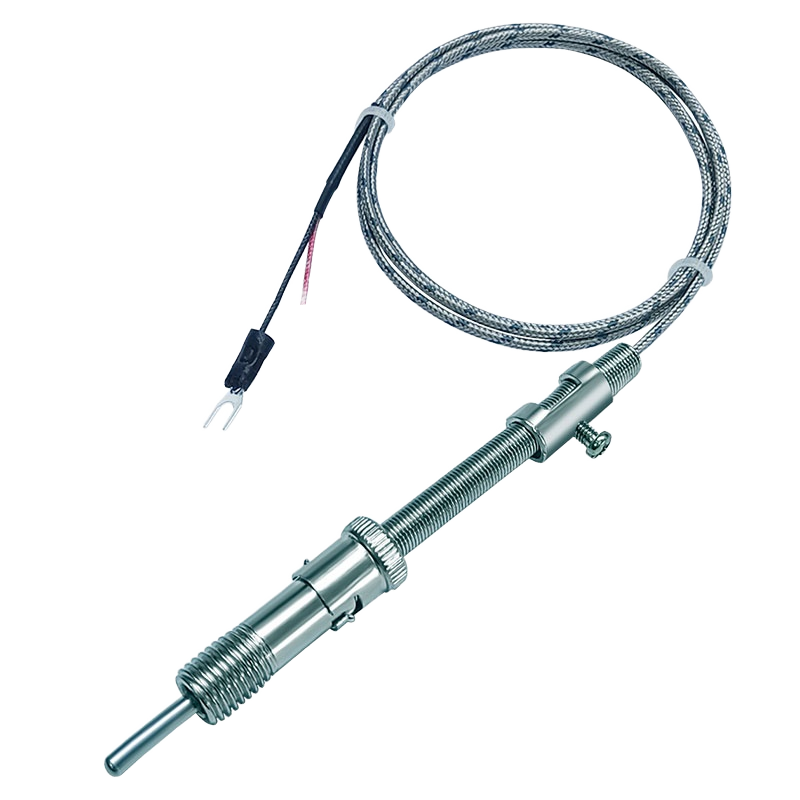
Temperature Sensor Selection Guide
How to correctly select a temperature sensor: A temperature sensor selection guide. electing a temperature sensor is about more than just the measurement range; it is a strategic trade-off between accuracy, speed, durability, and cost. To help you make the most precise decision,Before selecting a temperature sensor, please clarify the …Read more -
Understanding Current Transmitters: Working Principles & Best Practices for Industrial Use
Explore the working principles of current transmitters, from signal conversion to isolation. Learn how to install and maintain your AC/DC transmitters for optimal performance in PLC and data logging systems. The Ultimate Guide to Current Transmitters: Principles and Applications In modern industrial automation, ensuring the accuracy and safety of electrical …Read more -
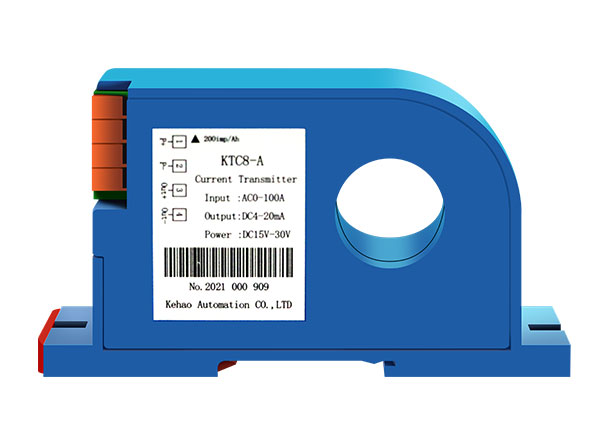
How Does a Current Transmitter Work? A Comprehensive Guide for Industrial Monitoring
In the world of industrial automation, precision is everything. To monitor the health of motors, pumps, and power grids, engineers rely on a critical component: the Current Transmitter. But how exactly does it function, and why is it essential for your data acquisition system? What is a Current Transmitter? A …Read more -
Complete Guide to Temperature Sensor Response Times: Thermocouples, RTDs, or Thermistors—Which is Faster?
I. What is Response Time and Why Does It Matter? In engineering, the response time of a temperature sensor (often denoted by the thermal time constant $\tau$) is defined as the time required for the sensor’s output to reach 63.2% of a step change in temperature. In practical applications, we …Read more -
Comparison of Thermocouple Types: K, N, J, E, and T?
In equipment design, measuring the temperature of materials is a frequent requirement. Due to their simple structure, wide measurement range, and easily processed output signals, thermocouples have become the preferred sensors for temperature measurement. A thermocouple is a passive sensor based on the principle of the thermoelectric effect. This effect …Read more -
The Role and Working Principle of Pressure Transmitters
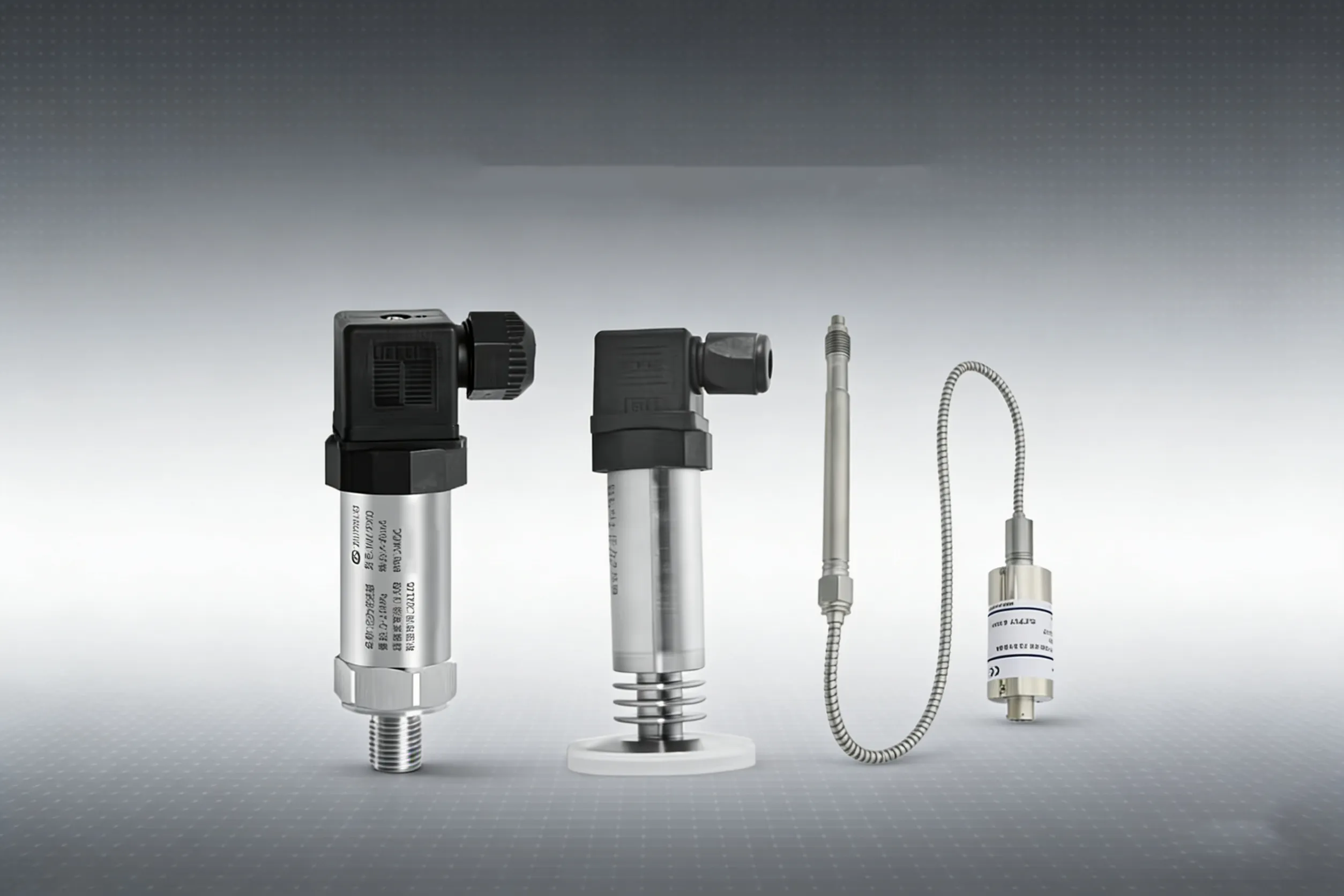
In complex industrial sites, there is a device that, despite its small size, shoulders the heavy responsibility of ensuring system safety and stable operation—the pressure transmitter. Today, let’s take a detailed look at this "pressure steward" of the automation world. I. What Role Does a Pressure Transmitter Play in Industrial …Read more -
Types and Working Principles of Pressure Sensors
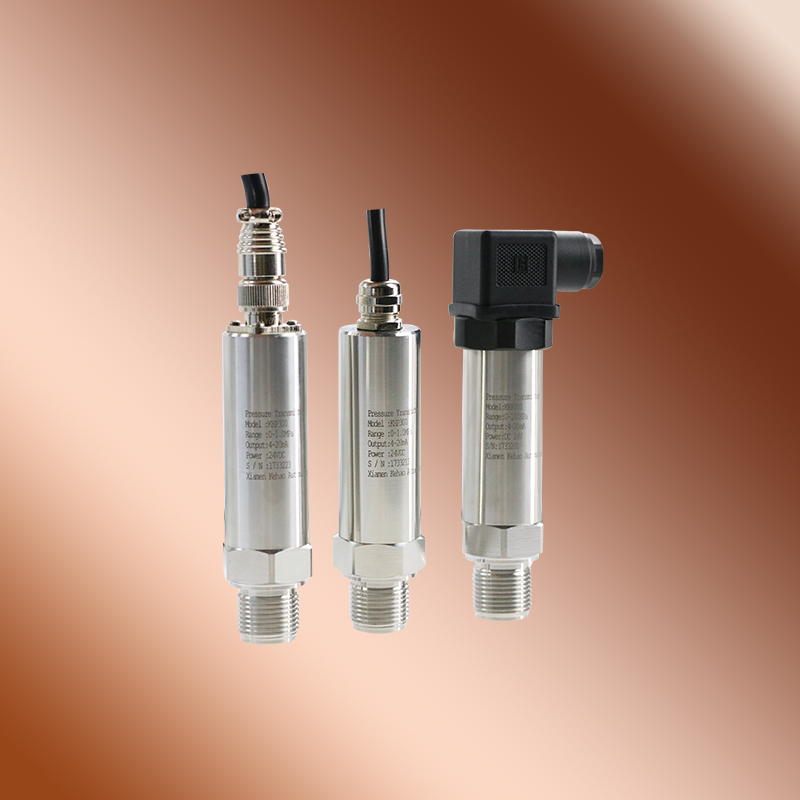
In fields such as industrial automation, automotive electronics, medical devices, and the Internet of Things (IoT), Pressure sensors are indispensable as key sensing elements. With technological advancements, various pressure sensors based on different principles have emerged, each with unique performance characteristics and application scenarios. This article provides an in-depth analysis …Read more -
Vibration sensor selection guide and mounting methods
Online vibration monitoring is a critical task for ensuring the stability of key equipment. Among the various solutions available, vibration transmitters with 4-20mA output have become the preferred choice for many users due to their easy installation, high cost-effectiveness, and direct integration with control systems. I. Selecting the Right Type …Read more