
A Paperless Recorder is a sophisticated instrument designed to monitor and record various input signals from industrial sites—such as flow signals from flowmeters, pressure signals from pressure transmitters, and temperature signals from RTDs and thermocouples. Utilizing a high-performance 32-bit ARM microprocessor for data processing, the device displays real-time data on a large LCD screen in multiple formats, including digital values, trend curves, and bar graphs. Simultaneously, it stores monitoring data within a high-capacity internal memory chip, allowing users to query, review, and print data and graphics directly from the device.
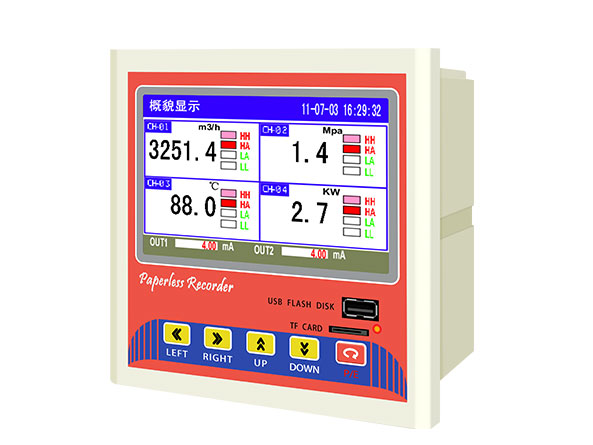
These recorders typically support 8 to 64 channels (expandable up to 200 channels) and feature output functions such as point control, alarms, and power distribution. The multi-channel inputs are “universal,” meaning they can be switched to accept signals from thermocouples, RTDs, standard current, standard voltage, and frequency.
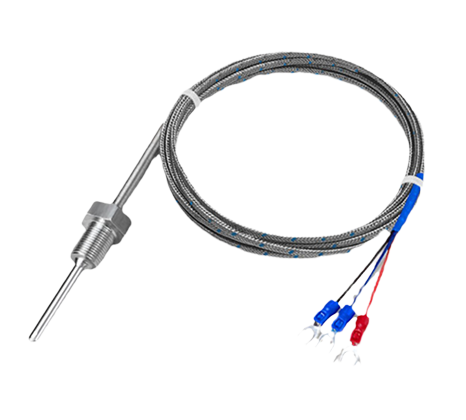
Characterized by paperless logging, high real-time performance, high precision, communication capabilities, and intelligent search functions, paperless recorders are essential in industrial fields like metallurgy, petroleum, chemicals, building materials, papermaking, food, pharmaceuticals, and water treatment, as well as smart IoT scenarios.
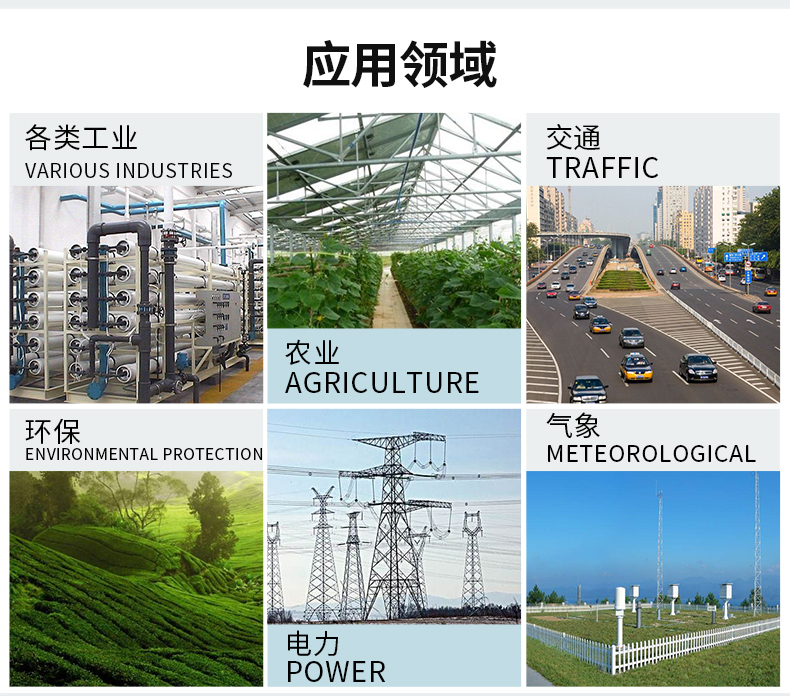
As industrial automation accelerates, paperless recorders have become indispensable. They reflect and store changes in temperature and humidity during production and transport. When paired with professional PC analysis software, they enable scientific management, data induction, and significantly improved workflow efficiency. Recent technological developments have integrated advanced features like PID regulation into these devices.
Measurement Functions of Paperless Recorders:
-
Temperature: Range -200°C to 1600°C (requires temperature sensor).
-
Temperature & Humidity: Range -200°C to 1600°C; Humidity 0-100% RH.
-
Voltage & Current: Voltage up to 2000V; Current up to 2000A (requires TP series transmitters).
-
Pressure: Range -200 to 200 MPa (requires TP series pressure sensors).
-
Level: Range 0-100 meters (requires TP series level sensors).
-
Wind Speed: Range 0-50 m/s (requires wind speed sensor).
-
Soil Moisture/Temp: Temp -50°C to 100°C; Humidity 0-100% RH (requires soil sensors).
10 Major Application Fields of Paperless Recorders
1. Agriculture and Animal Husbandry
Monitoring temperature and humidity is critical during the seedling stage of high-value crops to determine growth characteristics. While not every crop requires constant monitoring, the recorder provides the precision needed for scientific agricultural research.
2. The IT Industry
In an industry with rigorous testing standards, overheating is a common cause of hardware failure and data loss. Paperless recorders are used for “temperature rise testing” during the manufacturing of CPUs and complete computer systems to ensure stability and prevent crashes.
3. Food Storage and Transportation
Food shelf life is closely tied to temperature and humidity. For instance, a relative humidity (RH) between 91% and 95% facilitates the growth of bacteria like Salmonella and yeast. Paperless recorders are placed in shipping containers or cold storage to provide a faithful record of the entire transport process, ensuring food safety and clarifying liability in case of cargo damage.
4. Home Appliance Industry
With policies like “Home Appliances to the Countryside,” quality standards have become stricter. Most heat-generating appliances (washing machines, refrigerators, microwaves, etc.) must undergo “Safety Regulation Testing,” specifically temperature rise tests. Paperless recorders help manufacturers pass national inspections efficiently while saving on testing costs.
5. Museum and Archive Management
Paper and artifacts are sensitive to environmental shifts. Excessive humidity can cause paper to become brittle or moldy. Recorders simplify the monitoring of archives and museums, reducing the cost of preservation and minimizing human error.
6. Vaccine Cold Chain
From the pharmaceutical warehouse to the point of vaccination, biological products like vaccines must stay within specific temperature ranges. Paperless recorders provide a reliable, automated log of the environment, even in the absence of an external power supply, ensuring vaccine efficacy.
7. Testing and Certification Industry
To circulate in the market, products must pass certifications like 3C (China Compulsory Certification). Under standards like GB4706.1-2005 / IEC60335-1:2004, temperature rise testing is a vital component. Paperless recorders ensure that appliances do not reach unsafe temperatures during normal use.
8. Building Material Experimentation
During the drying process of concrete, monitoring the drying trend is essential for evaluating product quality. In construction—especially military engineering—knowing the exact drying time of concrete provides a reliable basis for project scheduling and structural integrity.
9. Medical and Healthcare Facilities
Operating rooms must maintain a temperature of 22–25°C and a humidity of 45–60% RH. Deviations can cause discomfort for surgeons (fatigue or irritability) and risks for patients (increased heart rate or infection). Paperless recorders help health departments monitor hospital compliance fairly and efficiently.
10. Building Acceptance and Smart Buildings
During the acceptance phase of smart buildings, inspectors must monitor indicators such as formaldehyde concentration and radiation intensity to ensure human health. By converting these metrics into voltage signals, paperless recorders can safely collect data without requiring personnel to remain in potentially hazardous environments for long periods.
Post time: 2026-02-24